


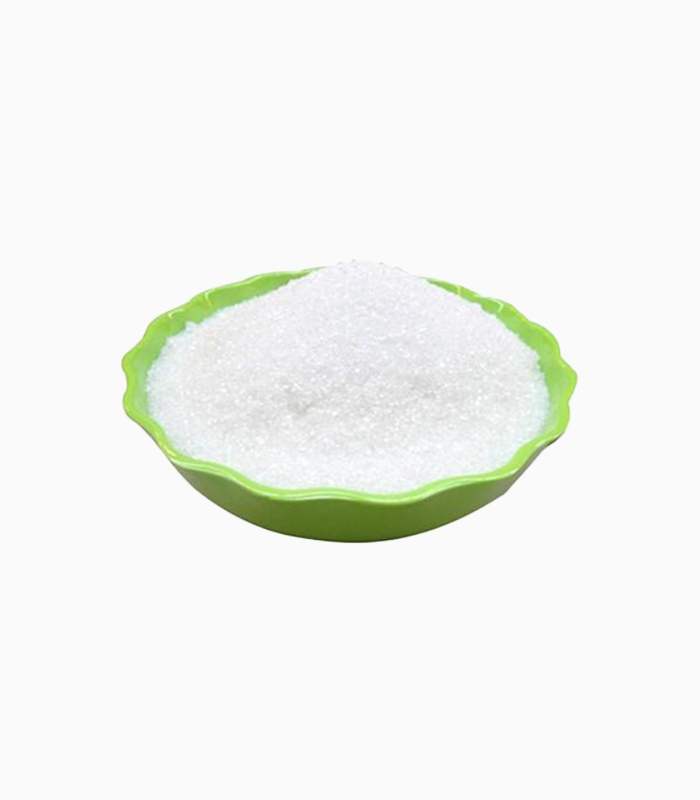
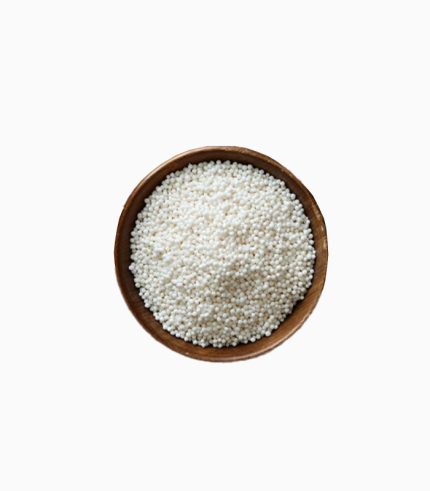
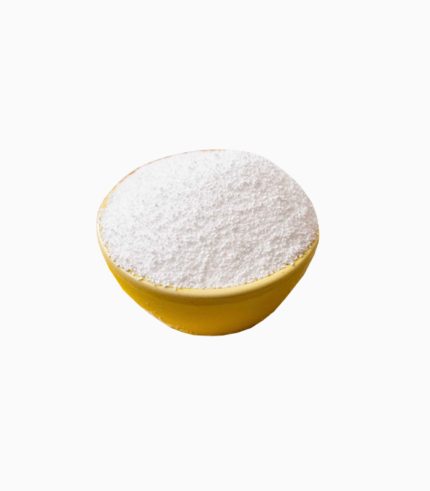
Sodium Cyclamate
Sodium Cyclamate of the sweet and pure,30 times the sweetness of sucrose,while the price of sugar is only 3 times.Because a non-nutritive synthetic sweetener,so patients with diabetes, obesity can be the place of sugar. Sodium Cyclamate unlike the slightly more when the amount of saccharin as bitter as the internationally accepted food additives can be used for soft drinks, juices, ice cream, cakes and preserves food, etc.
Related products
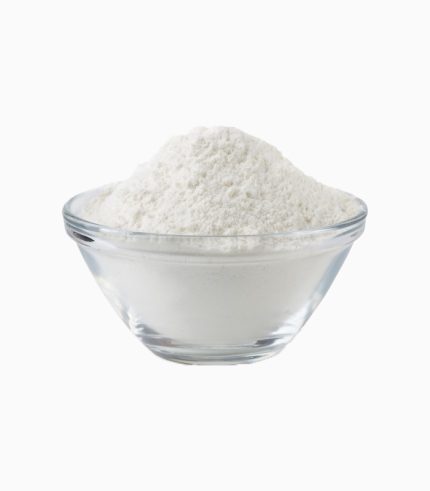
Isomaltulose
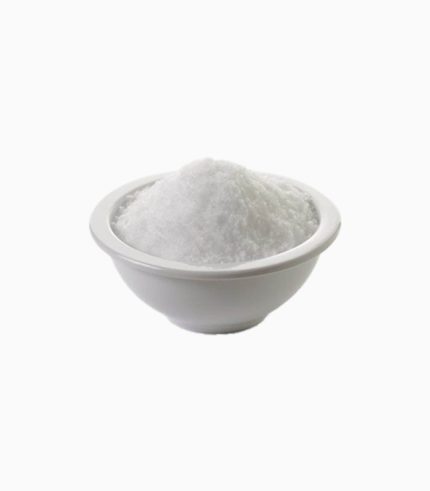
Isomaltulose, a natural and new functional oligosaccharide, which is distilled from sugarcane and honey. It is white crystal powder, odorless with good sweet taste. No dental caries, slower rate of hydrolysis than sucrose’s and also can be capable of application in the clinical of parenteral diabetes or other diseases as an energy source. Besides, isomaltulose is a good substitute for special populations which should be carefully chose the sweetener.
Liquid Glucose
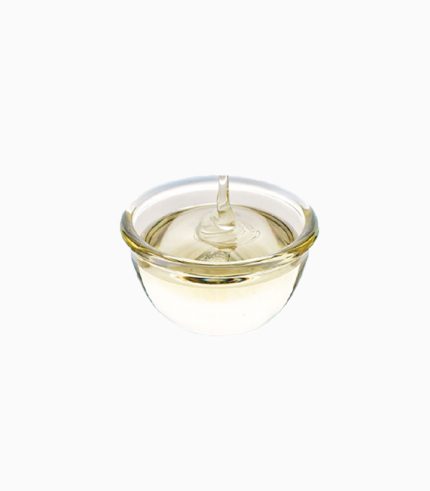
Liquid Glucose, CAS# 8027-56-3, is a kind of transparent and viscous syrup that is derived from purified corn starch through hydrolysis by enzyme preparation and refining.It has a high viscosity,better moisture absorption,mild sweet and high osmotic pressure,and it also has some advantages such as anti-crystallization and low freezing point.


Reviews
There are no reviews yet.